 Jul 22, 2026 - 0
Minutes read
Jul 22, 2026 - 0
Minutes read
Air Purifier: How to Choose and Use an Air Purifier at Home
Buy Air Purifier
How to Choose and Use an Air Purifier for Cleaner Indoor Air
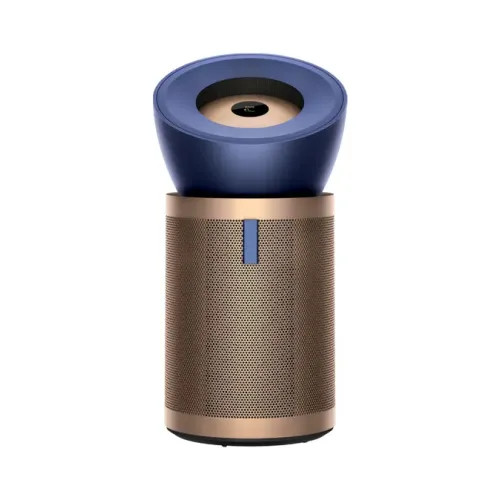
An air purifier improves indoor air quality by filtering out pollutants like dust, allergens, smoke, and odors. To choose the right one, match the purifier type (HEPA, activated carbon, UV, or ionic) to your specific needs, room size, and budget—then run it consistently for best results.
If you've been sneezing more at home, waking up with a stuffy nose, or noticing a lingering smell you just can't shake, your indoor air may be the culprit. The air inside most homes is more polluted than many people realize—and that can quietly affect your sleep, breathing, and overall comfort. An air purifier can make a real difference, but only if you choose the right one.
This guide walks you through everything you need to know—from why indoor air quality matters, to which purifier type suits your situation, to how to use and maintain one correctly. By the end, you'll have a clear, confident plan for breathing cleaner air at home.
Why It's Important to Use an Air Purifier
Indoor air quality is a bigger issue than most people expect. According to the U.S. Environmental Protection Agency (EPA), indoor air can be two to five times more polluted than outdoor air—and in some cases, even more. Common indoor pollutants include dust mites, pet dander, mold spores, volatile organic compounds (VOCs) from cleaning products and furniture, tobacco smoke, and fine particulate matter.
Poor air quality doesn't just affect people with allergies or asthma. Prolonged exposure to indoor pollutants has been linked to headaches, fatigue, respiratory irritation, and difficulty concentrating. Children, the elderly, and those with existing respiratory conditions are especially vulnerable.
An air purifier actively filters these particles from the air, reducing your exposure and creating a healthier environment. Running one consistently—especially in bedrooms, living rooms, or spaces where you spend the most time—can lead to noticeable improvements in how you sleep, breathe, and feel day to day.
How to Choose the Right Air Purifier: A Step-by-Step Guide
Step 1: Identify your specific air quality concerns
Before buying an air purifier, get clear on what you're trying to solve. Are you dealing with pet dander and pollen? Smoke or cooking odors? Mold or bacterial concerns? Each problem calls for a different filtration type—so knowing your primary concern narrows the field significantly.
Step 2: Measure your room size
Air purifiers are rated for specific room sizes, typically measured in square feet. Buying a unit that's too small for your space means it will struggle to cycle and clean the air effectively. Always check the manufacturer's recommended room coverage, and when in doubt, size up.
Step 3: Look at the CADR rating
The Clean Air Delivery Rate (CADR) tells you how quickly a purifier filters air for dust, smoke, and pollen. A higher CADR means faster, more effective filtration. The Association of Home Appliance Manufacturers (AHAM) recommends choosing a purifier with a CADR at least two-thirds of your room's square footage.
Step 4: Consider noise levels and energy use
Most air purifiers run for hours at a time—sometimes 24/7. Look for models with a low decibel rating on their lowest fan setting, especially for bedroom use. Energy Star-certified purifiers consume less electricity, which matters when a device runs continuously.
Step 5: Factor in ongoing filter costs
The upfront price of an air purifier is only part of the total cost. Replacement filters—especially HEPA filters—can range from $20 to over $100 per filter set, and most need replacing every 6 to 12 months. Calculate the annual cost of ownership before committing to a model.
Best Air Purifier Types: HEPA, Activated Carbon, UV, or Ionic?
What is a HEPA air purifier, and who should use one?
HEPA (High-Efficiency Particulate Air) filters are the gold standard for capturing airborne particles. A true HEPA filter captures at least 99.97% of particles as small as 0.3 microns—including dust, pollen, mold spores, and pet dander. HEPA air purifiers are the best choice for allergy and asthma sufferers, and they're widely recommended by health professionals.
Choose a HEPA purifier if: capturing fine particles and allergens is your primary concern.
What does an activated carbon air purifier do?
Activated carbon filters are designed to absorb gases, odors, and VOCs rather than particles. They work through a process called adsorption, where pollutant molecules bond to the surface of the carbon. These purifiers excel at eliminating cooking smells, cigarette smoke odors, and chemical fumes from paints or cleaning products.
Choose an activated carbon purifier if: you're dealing with persistent odors or chemical sensitivities. Many purifiers combine HEPA and activated carbon filtration for broader coverage.
Are UV air purifiers effective against bacteria and viruses?
UV-C air purifiers use ultraviolet light to inactivate microorganisms—including bacteria, viruses, and mold spores—as air passes through the unit. They're often used in healthcare settings and can be a useful addition to a HEPA filter system. However, UV purifiers alone don't remove particles from the air; they work best as a supplementary layer.
Choose a UV purifier if: you want extra protection against airborne pathogens, particularly during cold and flu season.
Are ionic air purifiers safe to use at home?
Ionic air purifiers (also called ionizers) release negatively charged ions that cause airborne particles to clump together and fall to the ground. While they can reduce some airborne particles, the concern with many ionic purifiers is that they produce ozone as a byproduct—a respiratory irritant. The California Air Resources Board (CARB) certifies purifiers that meet safe ozone emission standards. If you're considering an ionic model, always check for CARB certification.
Choose an ionic purifier if: you want a filter-free option and select a certified, low-ozone model.
How to Use and Maintain an Air Purifier Properly
Where should you place an air purifier for maximum effectiveness?
Placement matters more than most people realize. Position your air purifier in the room where you spend the most time—typically the bedroom or living room. Place the unit on the floor or a low surface with at least 1–2 feet of clearance on all sides to allow unrestricted airflow. Avoid placing it in corners or behind furniture, as this limits how efficiently the unit can draw in and circulate air.
How long should you run an air purifier each day?
Running an air purifier for at least 8–12 hours per day delivers meaningful results. For best performance, most experts recommend running the unit continuously, especially in high-traffic rooms or if a household member has allergies or asthma. Modern purifiers with auto or sleep modes adjust fan speed based on air quality readings, which helps manage energy use without sacrificing coverage.
How do you maintain an air purifier to keep it working well?
Consistent maintenance is essential. Here's what a basic maintenance routine looks like:
- Check pre-filters monthly: Many purifiers include a washable pre-filter that catches larger particles like hair and dust. Rinse or vacuum it monthly to prevent clogging.
- Replace HEPA filters every 6–12 months: A clogged HEPA filter loses effectiveness and can strain the motor. Follow the manufacturer's replacement schedule.
- Replace activated carbon filters every 3–6 months: Carbon filters become saturated with absorbed gases over time and need more frequent replacement than HEPA filters.
- Clean the exterior regularly: Wipe down the unit and air intake vents with a dry or slightly damp cloth every few weeks to prevent dust buildup.
- Run the unit on a consistent schedule: Irregular use means the air in your room isn't being filtered consistently, reducing overall effectiveness.
The Bottom Line: Cleaner Air Starts with the Right Choice
Choosing an air purifier doesn't need to be complicated. Start with your specific concern—whether that's allergens, odors, or airborne germs—then match it to the right filtration type, the right room size, and a maintenance routine you can stick to. A well-chosen, well-maintained air purifier can genuinely transform the air quality in your home.
The most important step is simply getting started. Even running a basic HEPA purifier in your bedroom overnight can make a meaningful difference to how you sleep and breathe. Invest in the right unit, place it correctly, and keep up with filter changes—and your indoor air will thank you.
Frequently Asked Questions
Do air purifiers really improve indoor air quality?
Yes, air purifiers genuinely improve indoor air quality when used correctly. High-quality HEPA air purifiers remove up to 99.97% of airborne particles, including dust, pollen, and pet dander. For best results, choose a purifier rated for your room size and run it consistently throughout the day.
How long should I run an air purifier each day?
Running an air purifier for at least 8–12 hours per day is recommended, though continuous operation delivers the best results. Air purifiers work by cycling room air through their filters repeatedly—the more hours they run, the lower the concentration of pollutants in your space. If energy use is a concern, look for models with an auto mode that adjusts fan speed based on real-time air quality.
Where is the best place to put an air purifier?
Place an air purifier in the room where you spend the most time, such as a bedroom or living room. Position the unit with at least 1–2 feet of clearance on all sides so air can flow in and out freely. Avoid placing it in corners, behind furniture, or near walls, as this reduces airflow and overall efficiency.
How often should I replace the air purifier filter?
HEPA filters typically need replacing every 6–12 months, while activated carbon filters should be replaced every 3–6 months. The exact timeline depends on your usage hours and the air quality in your home. A useful tip: if you notice reduced airflow or a return of odors, it's usually a sign the filter needs replacing sooner than the scheduled date.
Can an air purifier remove dust, smoke, odors, and allergens?
Yes, but not every purifier handles all of these equally well. HEPA filters are highly effective at capturing dust, allergens, and smoke particles. Activated carbon filters are best for odors and chemical vapors. For comprehensive coverage—especially in homes with pets, smokers, or chemical sensitivities—look for a purifier that combines both HEPA and activated carbon filtration in a single unit.
