 Aug 15, 2026 - 0
Minutes read
Aug 15, 2026 - 0
Minutes read
How to Choose the Right One
Best Hair Straighteners: Choose the Right One for Healthy Hair
Learn how to choose the best hair straightener for your hair type and get smooth results without the damage.
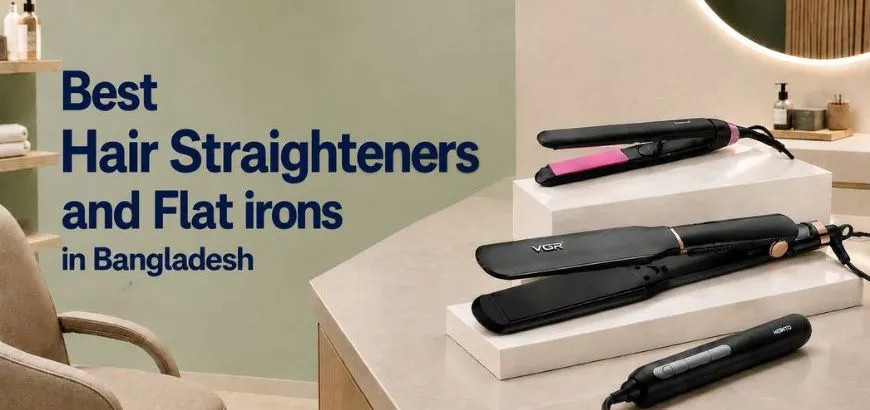
The best hair straightener depends on your hair type, heat sensitivity, and styling goals. Ceramic plates suit fine or color-treated hair, titanium works best on thick or coarse hair, tourmaline reduces frizz for all types, and steam straighteners offer the gentlest option for damaged hair.
With so many hair straighteners on the market, it's easy to feel overwhelmed—and even more worried about accidentally frying your hair. The wrong tool can lead to breakage, frizz, and long-term damage, which is the last thing anyone wants from a styling routine.
This guide breaks down everything you need to know before buying a hair straightener: which plate material suits your hair type, what temperature range is safe, and how to get sleek, smooth results without compromising your hair's health. By the end, you'll know exactly what to look for—and what to avoid.
Why Choosing the Right Hair Straightener Matters
Not all hair straighteners are built the same. Two tools might look identical on the shelf but perform very differently once you plug them in. Plate material, heat settings, plate width, and temperature consistency all play a major role in how your hair looks—and how healthy it stays over time.
Heat damage is cumulative. Every time you apply too much heat to your hair, you're breaking down the protein bonds that keep strands strong and elastic. Over time, this leads to split ends, brittleness, and dullness. Choosing a straightener with the right heat range for your hair type isn't just a preference—it's a form of hair care.
A quality hair straightener also saves time. Tools with uneven heat distribution require multiple passes, which increases heat exposure. Investing in the right straightener from the start means fewer passes, less damage, and a smoother result.
How to Choose the Best Hair Straightener (Step-by-Step)
Shopping for a hair straightener is easier when you break it down into a few key decisions.
Step 1: Identify your hair type
Fine, thin hair needs lower heat (below 300°F / 150°C). Thick, coarse, or curly hair can handle higher temperatures (up to 450°F / 230°C). Damaged or color-treated hair benefits from the lowest effective heat setting possible.
Step 2: Choose your plate width
Narrow plates (1 inch or less) are ideal for short hair, bangs, and precision styling. Wider plates (1.5–2 inches) work faster on long or thick hair. If you style both, look for a mid-width plate around 1–1.25 inches.
Step 3: Check the temperature range
A good hair straightener offers a wide, adjustable temperature range—ideally between 250°F and 450°F (120°C–230°C). Avoid tools with a single fixed heat setting, as they leave no room to customize based on your hair's condition on any given day.
Step 4: Look for even heat distribution
Consistent plate-to-plate contact matters. Look for floating plates, which adjust to the thickness of your hair as you glide through sections. This reduces the need for repeat passes.
Step 5: Consider safety features
Auto shut-off (typically after 30–60 minutes), heat-resistant tips, and a swivel cord are all features worth prioritizing—especially if you straighten your hair daily.
Types of Hair Straighteners: Ceramic, Titanium, Tourmaline, or Steam?
The plate material is the single biggest factor in how a straightener performs. Here's how the four main types compare.
Ceramic hair straighteners
Ceramic plates heat evenly and distribute temperature consistently across the entire plate surface. This makes ceramic straighteners gentler on hair and less likely to create hot spots that cause burning. Ceramic is the most widely recommended material for everyday use, particularly for fine, normal, or color-treated hair.
Best for: Fine, normal, or color-treated hair.
Titanium hair straighteners
Titanium heats up faster and maintains higher temperatures than ceramic. The plates are incredibly smooth, which means less friction as you glide through hair. The tradeoff? Titanium can be more aggressive on fine or already-damaged hair if used incorrectly.
Best for: Thick, coarse, or naturally curly hair that requires sustained high heat.
Tourmaline hair straighteners
Tourmaline is often used as a coating on ceramic or titanium plates. It emits negative ions when heated, which helps seal the hair cuticle and reduce frizz. Tourmaline straighteners tend to leave hair looking shinier and feeling smoother than standard ceramic tools.
Best for: Frizz-prone or normal hair types seeking a polished finish.
Steam hair straighteners
Steam straighteners add moisture to hair as they straighten, making them the gentlest option for damaged or dry hair. They typically operate at lower temperatures and can reduce the brittleness associated with dry heat styling.
Best for: Damaged, dry, or chemically treated hair.
Best Hair Straightener for Different Hair Types
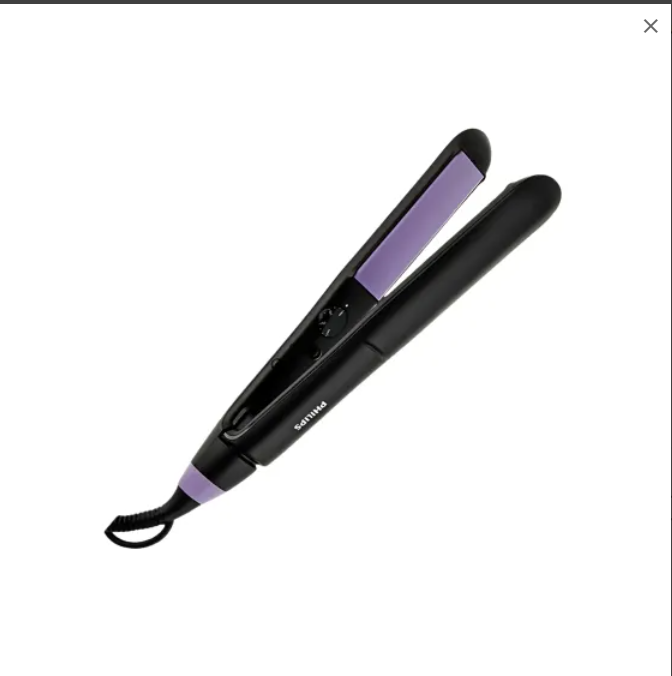
Matching your straightener to your hair type is the fastest way to get better results with less effort.
Fine or thin hair
Fine hair is the most vulnerable to heat damage. Look for a ceramic straightener with a maximum temperature of around 350°F (175°C) and narrow plates. A lightweight design also helps with control and reduces pulling. Always use a heat protectant spray before styling.
Thick or coarse hair
Thick hair needs sustained, even heat to straighten effectively. A titanium straightener with a temperature range up to 450°F (230°C) will cut styling time significantly. Wide plates (1.5–2 inches) also help you work through sections faster.
Curly or wavy hair
Curly hair benefits from high heat and smooth plates. Tourmaline-coated titanium plates offer both—plus the frizz-reducing benefits of negative ion technology. Look for tools with rounded edges so you can also create waves or curls if desired.
Damaged or color-treated hair
Steam straighteners are the gold standard here. If a steam tool isn't available, opt for a ceramic straightener at the lowest effective temperature. Limit use to two or three times per week and always apply a heat protectant.
How to Use a Hair Straightener Safely and Prevent Heat Damage
Even the best hair straightener causes damage when used incorrectly. These habits make a measurable difference.
Always apply heat protectant. A heat protectant spray or serum creates a barrier between your hair and the plates. Apply it to towel-dried or dry hair before straightening—never skip this step.
Start on the lowest effective setting. Begin at a lower temperature and increase gradually. You may find your hair responds well to less heat than you expected.
Work in small sections. Thinner sections straighten more evenly in a single pass. Trying to rush through large chunks leads to multiple passes—and more heat exposure overall.
Keep the straightener moving. Never hold the plates in one position for more than a second or two. Constant, fluid motion prevents burning and reduces stress on individual strands.
Limit daily use. Daily heat styling, even with a quality tool, takes a toll over time. Aim to air-dry or use heatless styling methods on off days to give your hair time to recover.
Clean your plates regularly. Product buildup on plates creates uneven heat distribution and can drag or snag hair. Wipe plates with a damp cloth after cooling.
Find the Right Straightener, Then Take Care of Your Hair
The best hair straightener is the one that fits your hair type, your styling habits, and your commitment to protecting your hair long-term. Ceramic plates cover most people's needs. Titanium delivers power for thick or resistant hair. Tourmaline adds a frizz-fighting boost. And steam offers a gentler path for those working with damaged or fragile strands.
No tool replaces the basics: heat protectant, appropriate temperature, and regular breaks from heat styling. Get those right, and your straightener becomes a tool that enhances your hair—not one that works against it.
Frequently Asked Questions
Which type of hair straightener is best?
Ceramic hair straighteners are the best all-round option for most people. They distribute heat evenly, reduce the risk of hot spots, and are gentle enough for everyday use. That said, titanium is better for thick or coarse hair, tourmaline works well for frizz-prone hair, and steam straighteners are the safest choice for damaged hair.
Is ceramic or titanium better for hair?
Ceramic is generally safer for fine, normal, or color-treated hair because it heats more gently and consistently. Titanium reaches higher temperatures faster, making it more effective on thick or coarse hair—but the intensity can be too aggressive for finer strands. Choose ceramic if your hair is delicate; choose titanium if your hair is resistant to straightening.
What temperature should I use to straighten my hair?
Fine or damaged hair should be styled between 250°F–300°F (120°C–150°C). Normal or slightly wavy hair works well at 300°F–380°F (150°C–195°C). Thick, coarse, or curly hair can handle 380°F–450°F (195°C–230°C). Always start at a lower temperature and increase only if needed.
Can I use a hair straightener every day?
Daily use is possible, but it significantly increases the risk of heat damage over time. To minimize harm, always use a heat protectant, keep your temperature as low as effective, and try to incorporate heat-free days into your routine. If you do straighten daily, a ceramic or steam straightener at moderate heat is the most hair-friendly option.
How can I prevent heat damage while straightening my hair?
Apply a heat protectant before every session—this is the single most effective step you can take. Beyond that, use the lowest temperature that achieves your desired result, work in small sections to avoid repeat passes, and keep the straightener moving rather than holding it in place. Taking breaks from heat styling several days a week also gives your hair time to recover.
